Mapping Hope: How Carry Hope Naloxone Helped Protect ~107,000 More Lives in April
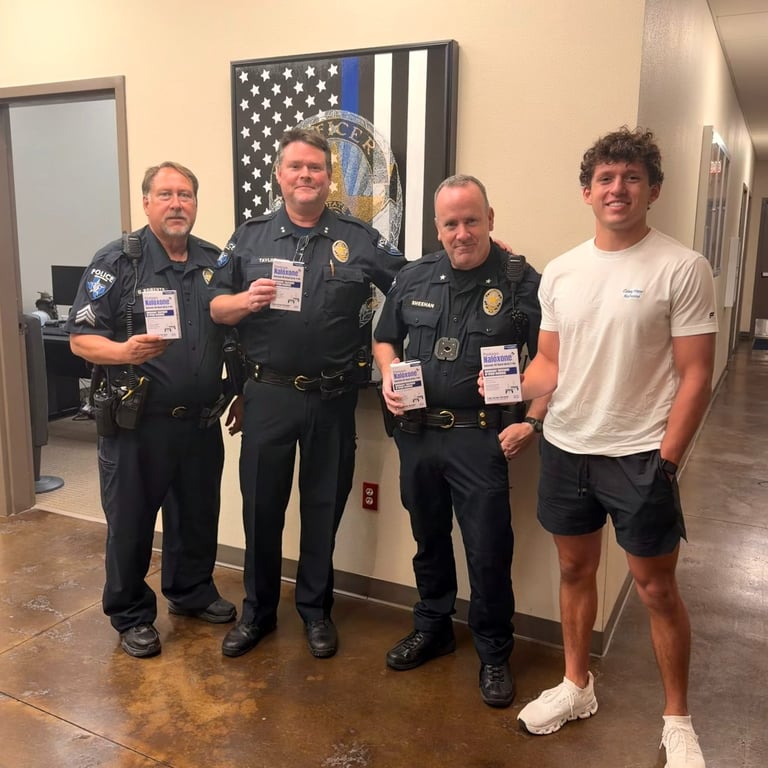
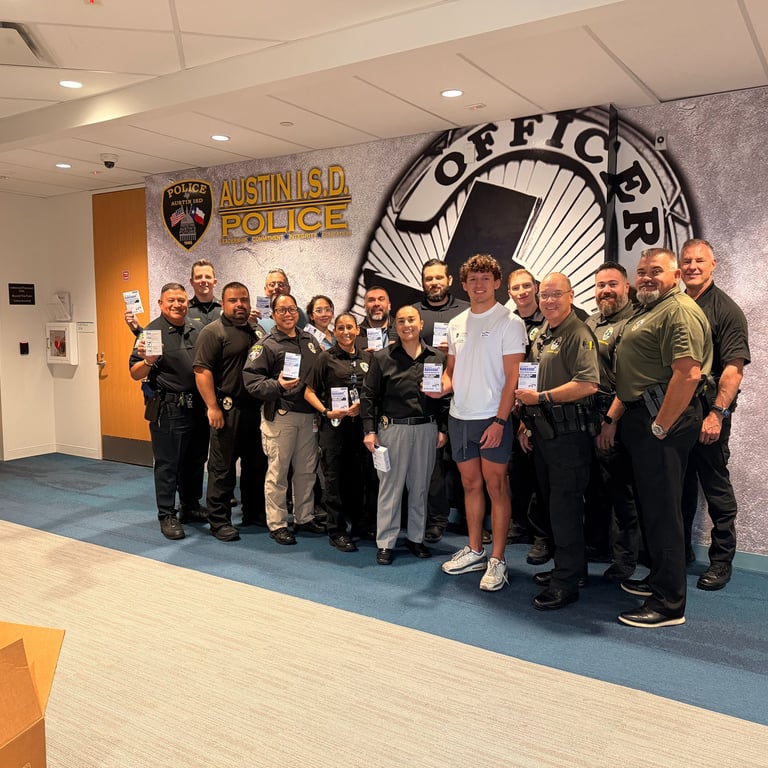
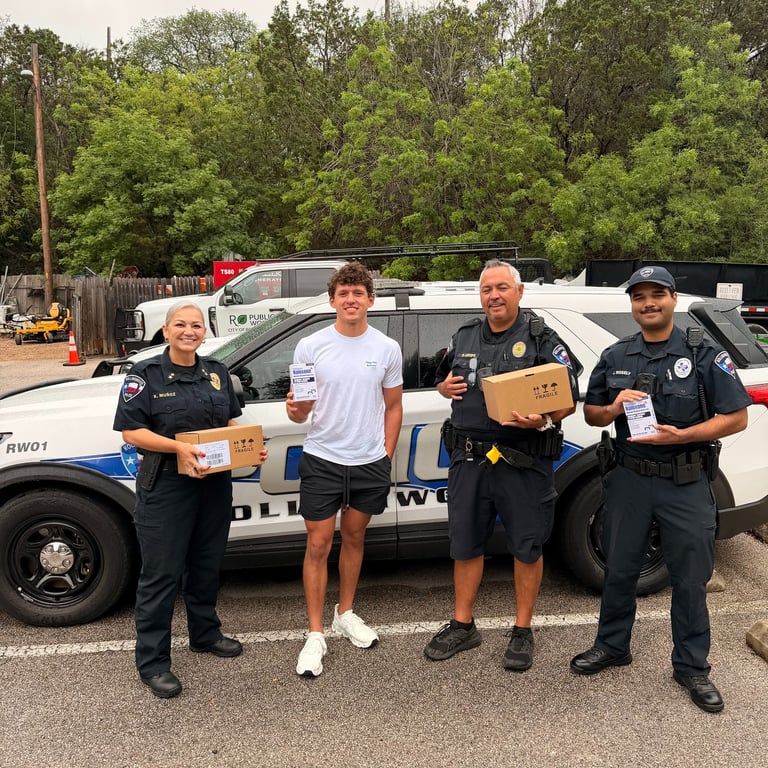
In April, Carry Hope Naloxone partnered with public safety and school communities across the Austin area to expand overdose readiness, helping protect an estimated 107,000 people. This article breaks down what that impact looks like on the map, why focusing on police and school-based access matters, and how this work fits into a growing local harm reduction ecosystem.
Carry Hope Naloxone
5/1/20263 min read
Why maps matter for overdose response
Overdose risk doesn’t stop at a city limit sign, and neither should access to naloxone. Across Travis County and beyond, local agencies and health systems are investing in more distribution points, training, and awareness campaigns to get naloxone in the right hands before a crisis hits.
Our April map is designed to show this reality visually. Instead of listing departments or agencies, it highlights where people are now more likely to encounter naloxone: in schools, on roads, at community events, and in neighborhoods that connect students, staff, and families across district and city boundaries.
What the shaded areas represent
Each teal region on the map reflects a different slice of the community that is now better protected:
A large school community in the Austin area, where tens of thousands of students and staff move across dozens of campuses every day. Together, these campuses account for the majority of the people represented in our April impact estimate.
A Westlake‑area school community, where thousands more students and employees are now within reach of naloxone on school grounds and at district facilities.
A small but densely connected neighborhood just west of central Austin, where residents regularly interact with nearby schools, roadways, and city services.
A community near Lake Travis, where first responders cover a mix of residential areas, commuter routes, and recreation spaces that serve both locals and visitors.
We do not label agencies or departments on the map by name. Instead, we emphasize what matters most: the people now better protected if an opioid overdose happens.
The number behind the map: ~107,000 lives
To create the April estimate, we combined the best available data on students, staff, and residents across the areas our partners protect.
Together, these communities represent approximately 107,000 people whose everyday environments now include greater access to naloxone—through school‑based supplies, public safety officers, and connected community partners. That number doesn’t mean 107,000 people received kits; it means 107,000 people live, study, or work in spaces where naloxone is more likely to be present and ready to use when seconds count.
How this fits into the broader harm reduction landscape
Carry Hope Naloxone is part of a larger movement in Texas to normalize naloxone as basic safety equipment, similar to AEDs or fire extinguishers. Across the state, public agencies and nonprofits are expanding naloxone distribution, installing vending machines, and offering training that empowers everyday people to respond to overdoses.
Our focus is on making sure schools, police partners, and community organizations aren’t left out of that progress. By pairing free naloxone with practical guidance and training, we help local leaders integrate overdose response into their existing safety plans, rather than treating it as an add‑on or afterthought.
Where we go from here
April’s map is not a finish line—it is a baseline. It shows what’s possible when a small nonprofit works closely with public safety and education partners who are willing to lead on overdose prevention. As more communities step forward, we’ll keep updating what our impact looks like on the map and in real lives.
If your school district, agency, or organization is ready to expand naloxone access, Carry Hope Naloxone can help with free medication, training, and implementation support. Together, we can make sure far more than 107,000 of our neighbors are protected in the months ahead.
Carry Hope Naloxone’s April Impact Across Greater Austin
In April, Carry Hope Naloxone took a major step forward in our mission to expand overdose response readiness across Central Texas. By working alongside school communities and public safety partners, we helped protect an estimated 107,000 people who live, learn, and work in some of the highest‑traffic areas of the Austin metro.
Rather than focusing on a single campus or neighborhood, we mapped our work across a wider region: central Austin, key school corridors to the west, and growing communities near Lake Travis. Each highlighted area on our new April map represents residents, students, and staff who are now closer to someone carrying naloxone when an overdose occurs.